
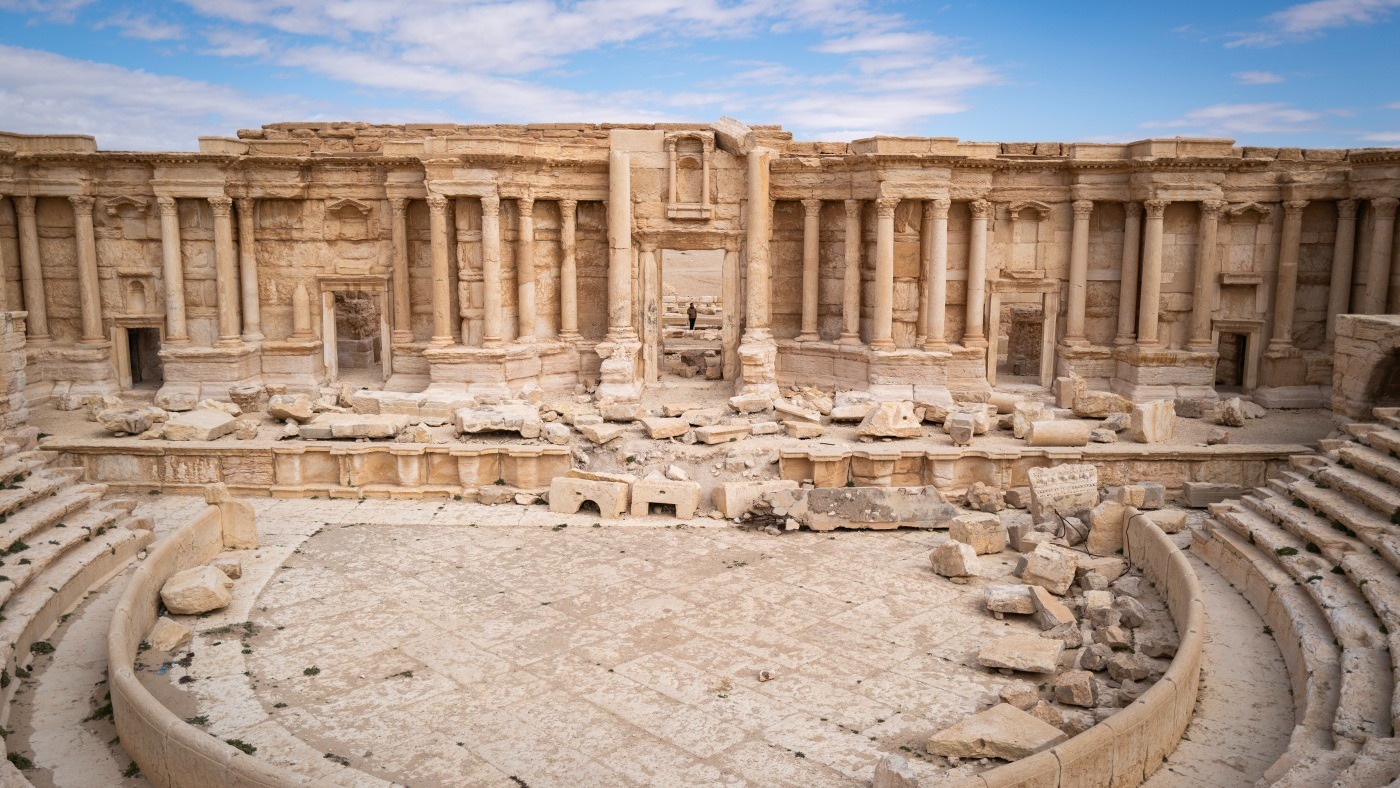
Palmyra have to now no longer “upward thrust again”, as Syria’s director of antiquities has promised. It have to now no longer be became a faux duplicate of its former glory. Instead, what stays of this historical metropolis after its destruction via way of means of Isis – and this is mercifully extra than many humans panic – ought to be tactfully, sensitively and without a doubt preserved.
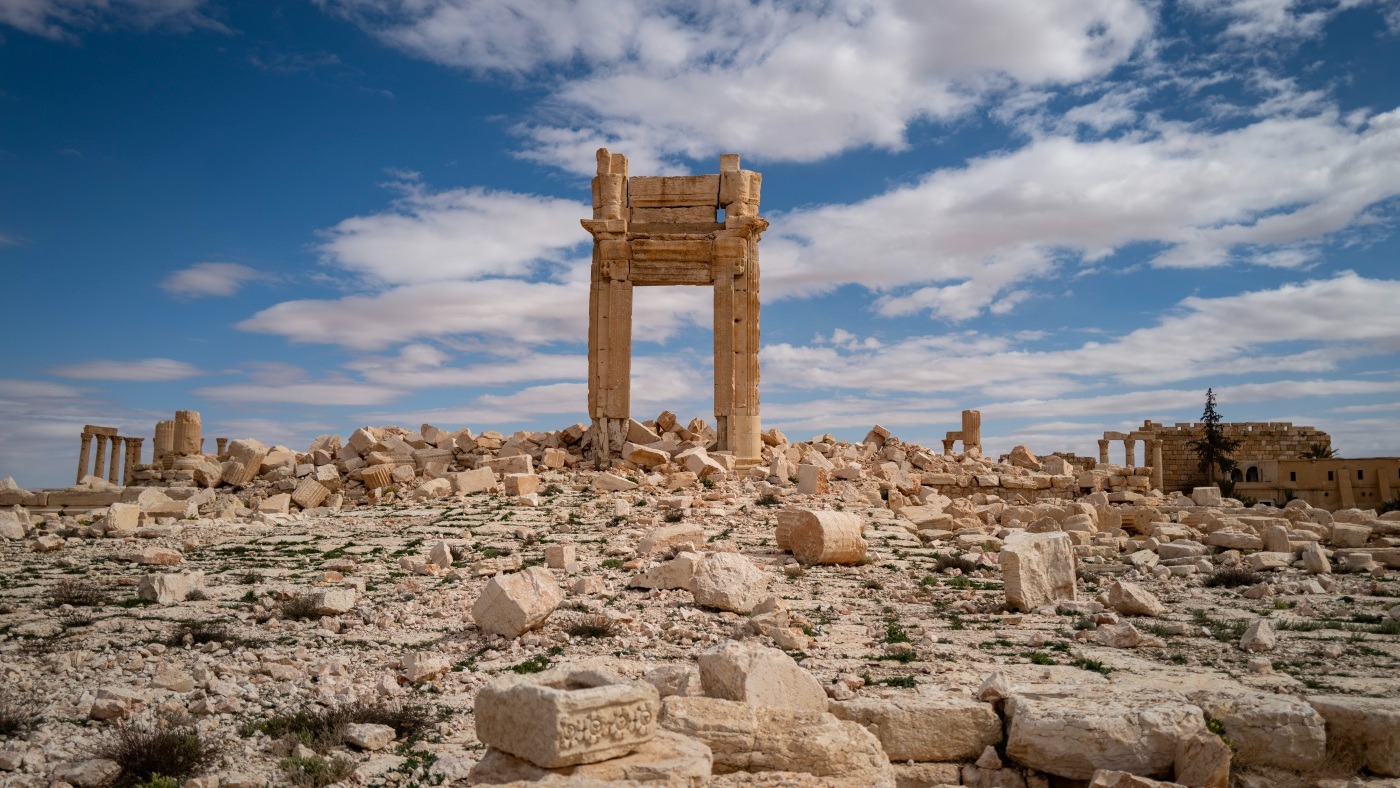
The honesty has to start with Palmyra’s newfound fame. Before Isis seized this exceptional Syrian webweb page remaining year, Palmyra became a call regarded high-quality to archaeologists, historians and classicists. In a large and bad way, via way of means of blowing up a number of its maximum stunning monuments and sporting out inhuman atrocities amid its splendours, the assassin military has made Palmyra regarded.
If Syria’s disaster ever ends, if there may be a non pressure Syria someplace withinside the future, travelers will flock to a metropolis now visible as a form of Pompeii of the desert. And what’s going to they find?
Ruins, of course. Palmyra became in ruins earlier than Isis occupied it and it’s far nonetheless in ruins today. That is the character of historical cities. Mycenae, Machu Picchu, the Roman Forum – none are complete, none pristine. Their environment and poetry lie of their scarring via way of means of time, nature and records.
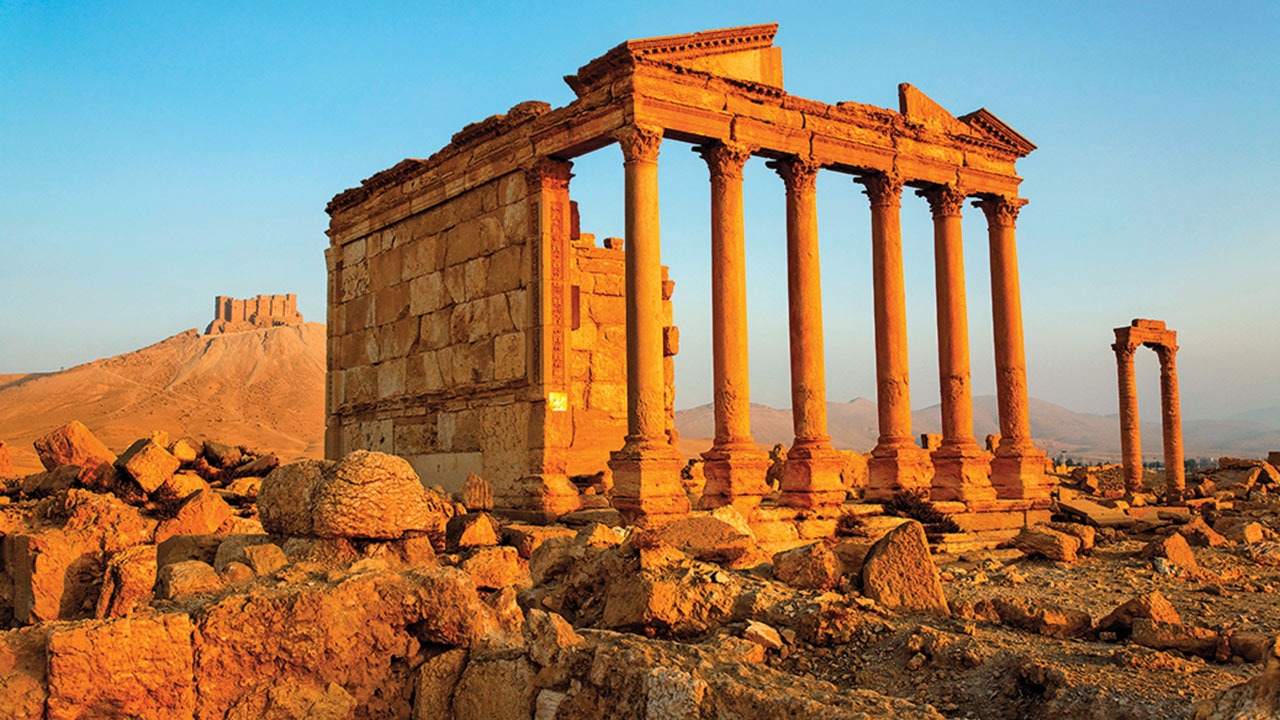
Palmyra had a few remarkably well-preserved historical homes. The Temple of Bel stood poignantly as a survival of the metropolis’s historical religion. Only columns and a lintel stay after it became blown up via way of means of Isis in August 2015. An arch devoted to the Roman emperor Septimius Severus further withstood the centuries till it became brutally demolished remaining October. The Temple of Baalshamin has additionally been obliterated.
How can those horrible losses be positioned right? That appears to be the query archaeologists are asking. It appears to be what the sector expects. Yet it could be the incorrect approach. Restoration is a sensitive art, and the accountable upkeep of antiquities has to intend accepting the finality of loss wherein rebuilding is probably deceitful.
The first activity in Palmyra is to evaluate the harm very, very carefully. It will certainly take a few years to sift via the rubble of the demolished homes with the best warning and precision. If sufficient chunks of masonry and sculpture have survived in sufficiently recognisable shape, it could certainly be feasible to re-erect components of homes or maybe complete structures. That might be wonderful. On the opposite hand, it could emerge as extra sincere to show the fragments in a eparticularly built museum.
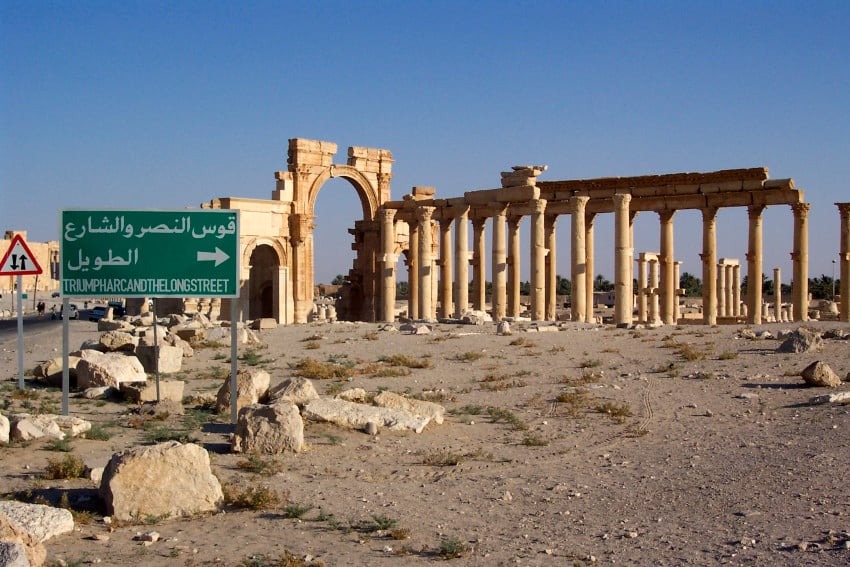
What is by no means valid is to rebuild historical monuments the usage of contemporary-day substances to update misplaced components – to basically refabricate them – despite the fact that ultra-modern era makes that appear practical. I do not see how everybody at this second can vow to completely repair Palmyra until they plan to experience roughshod over archaeological reality. The high-quality everybody can say is that they may do the high-quality that may be done.
In our age of virtual scanning, satellite tv for pc pictures and 3-D printing, it’s far tempting to succumb to the fantasy that each spoil may be restored. Yet the tough lesson of 3 centuries of contemporary-day archaeology is that over-healing damages the past. Pompeii became excavated via way of means of touchy students who preserved its art work with out excessively touching them up, or “completing” the Roman houses. By contrast, the British archaeologist Arthur Evans created a strange mess in his conceited over-healing of Knossos in Crete.
It is constantly extra shifting to look the actual stuff of the past, but damaged, than to look a dummyd-up approximation. The temptation to “fix” Palmyra and make it appear like it did on the begin of 2015 is understandable. This captivating location has been subjected to a barbaric onslaught, the wondering goes. Surely it ought to be as though Isis by no means did their worst.
History isn’t always like that. The Isis assault on Palmyra became now no longer a counterfactual fantasy. It genuinely occurred. This 21st-century disaster is a part of Palmyra’s records now. This too, for the sake of reality and as a caution to the future, have to be preserved.